SSAS Property Valuation Requirements: What You Need to Know
Written by Matt Lenzie
Former Banker & Corporate Finance Partner
Why Valuations Are Mandatory for SSAS Property Transactions
When an SSAS acquires commercial property, the price paid must reflect the open market value of the asset. This is not a commercial preference — it is an HMRC requirement. SSAS pension schemes are constrained by tax legislation from acquiring assets at above-market prices (which would constitute an employer-related investment or a contribution that has not been made via the approved contribution mechanism).
The independent RICS valuation serves as objective evidence that the trustees have acted in compliance with this requirement. Without it, HMRC could challenge the transaction and, in the worst case, treat the purchase as an unauthorised payment with associated tax charges.
In addition to HMRC requirements, most lenders who provide SSAS mortgage finance require an independent valuation as part of their underwriting process.
What Is a RICS Red Book Valuation?
A RICS Red Book valuation is a formal written valuation prepared in accordance with the RICS Valuation — Global Standards (colloquially known as the "Red Book"). It is the recognised professional standard for property valuations in the UK and internationally.
Key features of a Red Book valuation:
- Prepared by a qualified RICS member (MRICS or FRICS)
- Follows defined methodology for assessing open market value
- Must state the date of the valuation, the basis of value, and the purpose
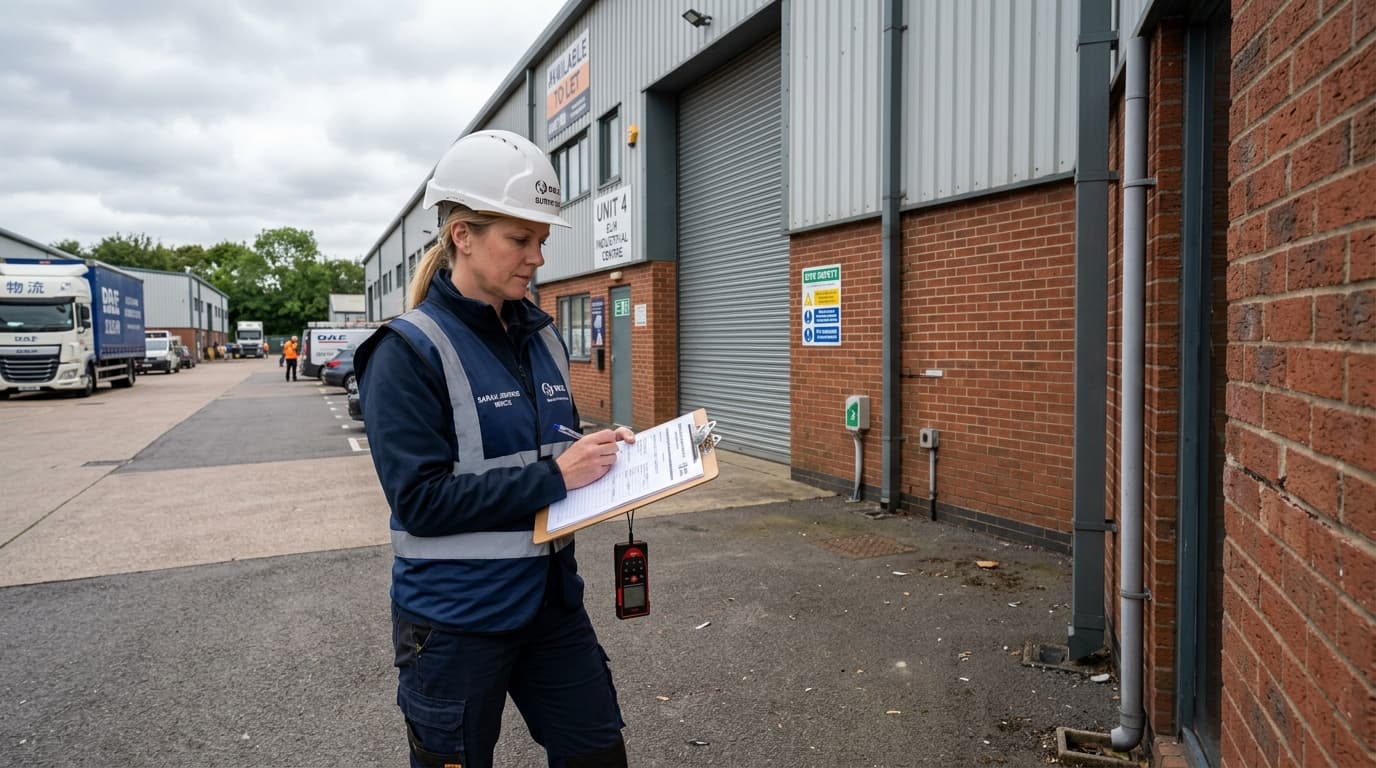
- Includes the surveyor's inspection of the property
- Provides supporting analysis (comparable transactions, income capitalisation, etc.)
- Is signed and dated by the valuing surveyor
A Red Book valuation is a formal legal document. The surveyor owes a duty of care to the party commissioning the valuation and can be liable for negligent valuations.
When Is a Valuation Required?
For SSAS purposes, a formal RICS valuation is required in the following circumstances:
1. Property Purchase
Before the SSAS exchanges contracts to purchase a commercial property, an independent RICS valuation must confirm the open market value. The purchase price must not exceed this value.
2. Property Sale
When the SSAS sells a commercial property, an independent RICS valuation should confirm that the sale price is at or above open market value. This is particularly important where the sale is to a connected party.
3. Connected Party Transactions
Any transaction between the SSAS and a connected party (including the sponsoring employer) requires an independent valuation to establish arm's-length terms. This includes purchases, sales, and leaseback arrangements.
4. Annual Accounting Valuations
For scheme accounting purposes, property assets should be valued at least annually. Formal RICS valuations may not always be required for annual accounting — desktop valuations or verbal updates from surveyors are often sufficient — but where there has been significant market movement, a formal update is advisable.
5. Rent Reviews
When the lease provides for rent reviews, an independent surveyor should assess the current open market rental value. If the tenant is the sponsoring employer, this is essential to demonstrate continued compliance with the arm's-length requirement.
6. Lender Requirement
SSAS lenders will require a RICS valuation as part of their mortgage underwriting. They will typically instruct the surveyor directly (or approve the borrower's chosen surveyor), and the report will be addressed to both the lender and the trustees.
Choosing the Right RICS Surveyor
Not all RICS surveyors are equally experienced with pension scheme property transactions. When selecting a surveyor for an SSAS property purchase, look for:
- Relevant specialism: Choose a surveyor who regularly values the type of property being acquired (industrial, office, retail, etc.)
- SSAS familiarity: A surveyor who understands pension scheme requirements will structure the report appropriately from the outset
- Geographic expertise: The surveyor should have knowledge of the local property market and recent comparable transactions
- Lender acceptance: Confirm that your chosen lender will accept valuations from the surveyor you intend to instruct
Matt Lenzie notes: "I have seen SSAS property purchases delayed by several weeks because the surveyor's report was not in the format or scope required by the lender. Establishing lender requirements before instructing the surveyor avoids this frustration."
What Does the Valuation Report Cover?
A typical RICS Red Book valuation report for an SSAS property purchase will include:
- Property description and location
- Tenure (freehold or leasehold) and title details
- Property condition and specification
- Current occupational arrangements (vacant or tenanted)
- Market commentary and comparable evidence
- Valuation methodology (investment method, comparable method, etc.)
- Open market value figure
- Market rental value (where relevant)
- Observations on environmental risk, planning issues, etc.
For SSAS purposes specifically, the report should confirm that the property is not residential and does not constitute a prohibited SSAS investment.
Valuation Costs
RICS valuation fees vary with property value and type. Typical fee ranges are:
- Properties valued up to £500,000: £800-£1,500
- Properties valued £500,000-£2,000,000: £1,500-£3,500
- Properties valued £2,000,000+: Negotiated fee, typically £3,500+
Valuation fees are a legitimate scheme expense and are typically paid from the SSAS bank account. Where the lender is instructing the valuation directly, the fee may be payable to the lender as part of the mortgage application costs.
Dealing with a Low Valuation
If the RICS valuation comes in below the agreed purchase price, the trustees have several options:
- Renegotiate the price with the vendor down to the valuation figure
- Commission a second opinion from another RICS surveyor (if there are genuine grounds to believe the first valuation was incorrect)
- Proceed at the agreed price with a higher cash equity contribution (reducing the LTV — though the price must still reflect market value for HMRC purposes)
- Withdraw from the transaction (subject to any deposit already paid)
For guidance on due diligence in SSAS property purchases more broadly, see our guide on SSAS property due diligence.
"The RICS valuation is not a hurdle — it is protection. It protects the trustees from overpaying, protects the scheme from HMRC challenges, and gives lenders the confidence to lend. Commissioning the valuation early in the process, from a surveyor with relevant experience, is always the right approach."
— Matt Lenzie, Former Banker & Corporate Finance Partner
Next Steps
If you are in the process of identifying a commercial property to purchase through your SSAS and want to understand how finance can support the acquisition, contact our team or use our SSAS mortgage calculator to get an initial estimate of your borrowing capacity.
Key Takeaways
- An independent RICS Red Book valuation is mandatory for all SSAS property purchases
- The purchase price must not exceed the RICS open market value
- Valuations are also required for property sales, rent reviews, connected party transactions, and annual accounting
- Choose a surveyor with relevant property specialism, local market knowledge, and familiarity with SSAS requirements
- Confirm lender acceptance of your chosen surveyor before instructing them
- A low valuation gives the trustees grounds to renegotiate the purchase price
About the Author
Matt Lenzie
Former Banker & Corporate Finance Partner
Matt Lenzie is a former banker and corporate finance partner with extensive experience in pension-backed property transactions. He founded SSAS Property Finance to help company directors and trustees navigate the complexities of commercial property acquisition through Small Self-Administered Schemes.