SSAS Warehouse Acquisition: A Complete Case Study
Written by Matt Lenzie
Former Banker & Corporate Finance Partner
SSAS Warehouse Acquisition: From Search to Completion
Industrial and logistics properties have been among the strongest performing commercial property sectors in recent years, driven by the growth of e-commerce and supply chain restructuring. For SSAS trustees with a business that occupies or needs warehouse space, purchasing that warehouse within the pension scheme combines property investment with an immediate business need.
This case study traces the complete acquisition of an 8,000 sq ft warehouse unit by an SSAS for occupation by the sponsoring employer — a regional logistics company.
The Business Context
The sponsoring employer is a three-director, family-owned logistics company that has grown significantly over the past five years. Currently, the business rents a warehouse from a third-party landlord at £52,000 per year on a lease that expires in 18 months. The landlord has indicated an intention to sell the property — which creates both a risk (potential displacement) and an opportunity.
The SSAS has been established for six years and holds £480,000 in assets: £320,000 in cash and £160,000 in a diversified listed fund. Total scheme membership: three director-members.
The Target Property
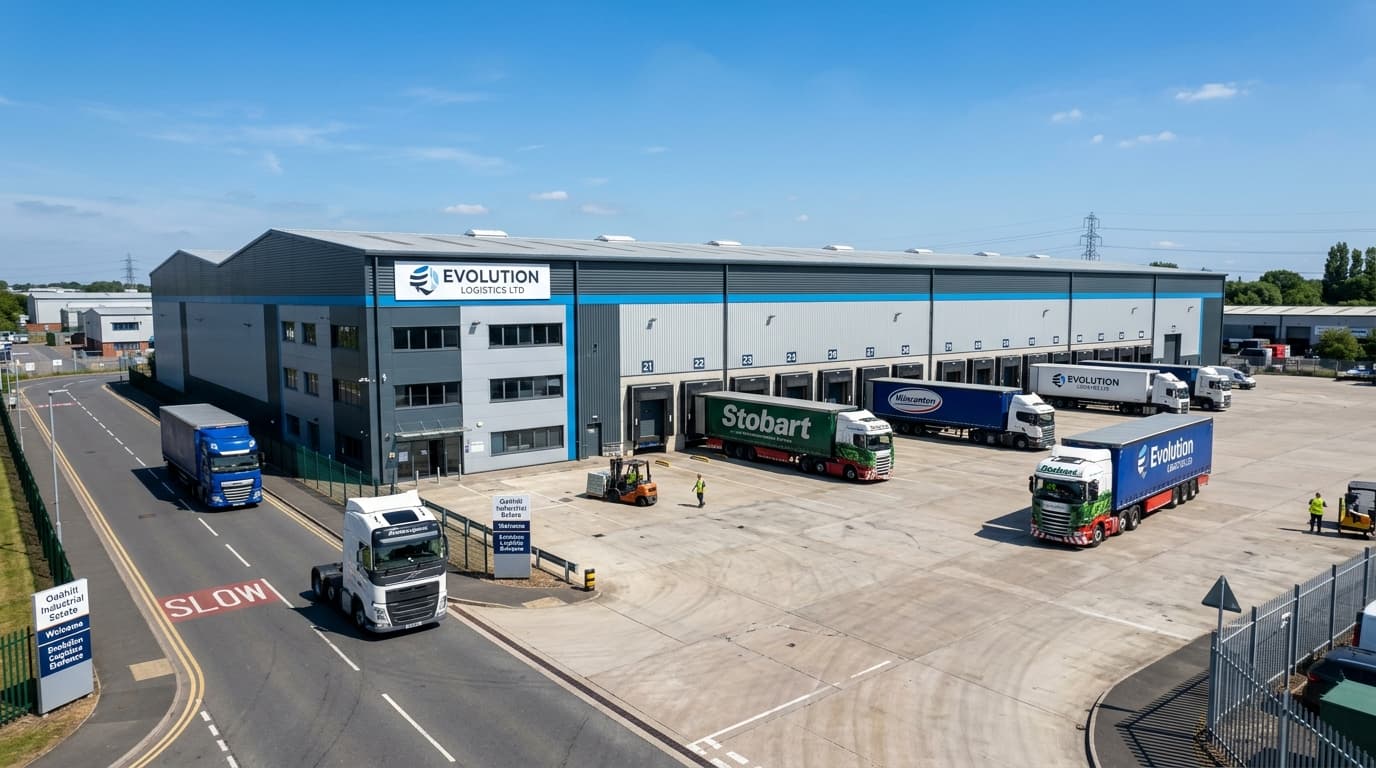
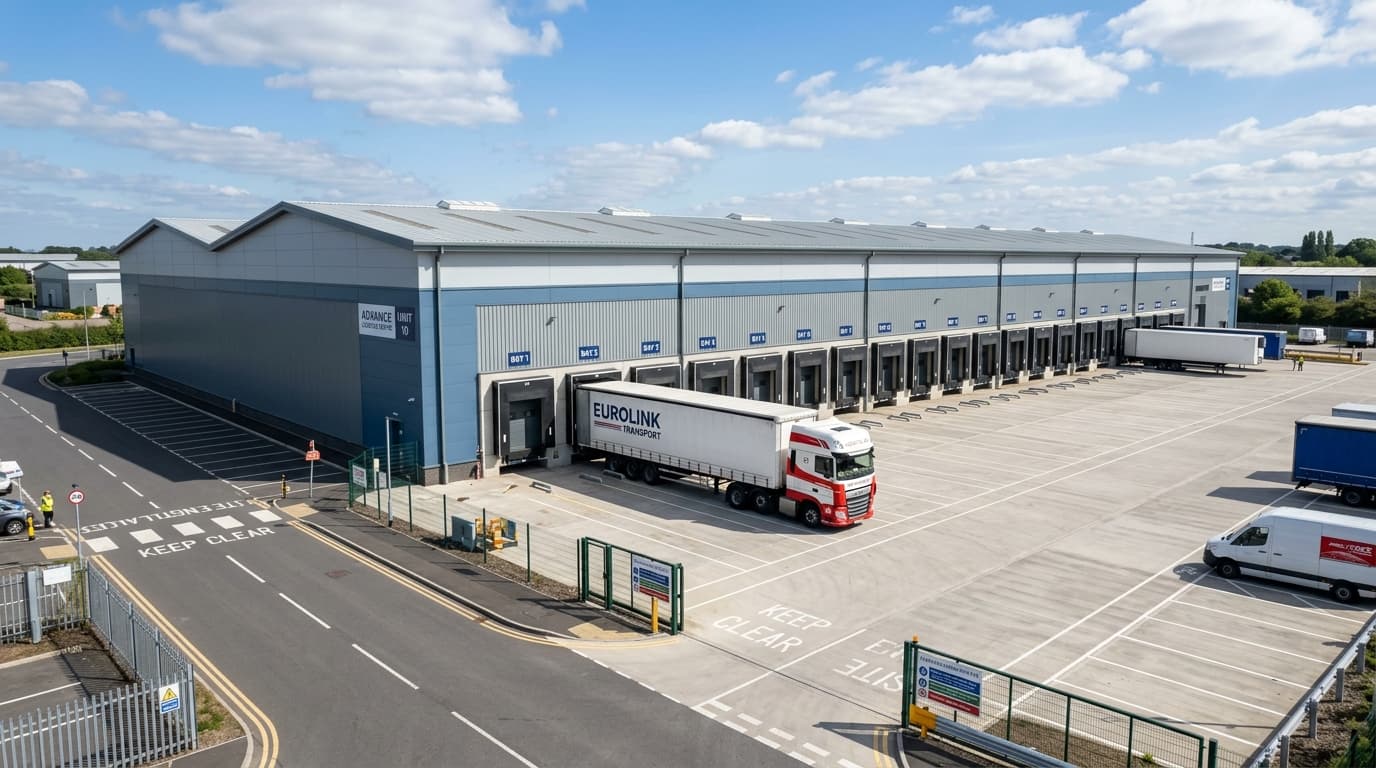
Rather than attempting to buy the existing leased property (the landlord's price was considered too high), the trustees identify a newly built 8,000 sq ft warehouse unit on a modern industrial estate five miles from the business's current location. Key features:
- 8,000 sq ft ground floor warehouse with 1,200 sq ft mezzanine office
- 6-metre eaves height (suitable for racking systems)
- 4 level access loading doors and dedicated HGV turning area
- 75 kVA power supply
- Asking price: £620,000
- Surveyor's opinion of market rent: £52,000 per year
The property is brand new, with full planning permission for B8 (storage and distribution) use. Structural and environmental surveys are expected to be straightforward.
Financial Modelling
Before approaching any lender, the trustees run the numbers:
- Purchase price: £620,000
- Maximum SSAS mortgage at 50% LTV: £310,000
- Required equity from scheme: £310,000
- Acquisition costs (SDLT, legal, survey): approximately £31,000
- Total cash required from scheme: £341,000
- Available liquid scheme assets: £480,000 (of which £320,000 in cash; £160,000 must be liquidated from listed fund)
- Residual liquid assets post-purchase: £139,000
This is within acceptable parameters for most lenders, which typically require residual scheme assets of at least 25-30% of the loan amount. £139,000 represents 44.8% of the £310,000 loan — comfortably above most thresholds.
Income analysis:
- Proposed rent (connected party, confirmed by independent surveyor): £52,000 per year
- Annual mortgage interest at 6.5%: £20,150
- Interest coverage ratio: 2.58x
"Logistics and industrial warehousing has been the standout commercial property sector for SSAS investment in recent years. Strong rental demand, limited supply of modern units, and long lease covenants make this an attractive asset class. When a business genuinely needs the space, the economic case is doubly compelling." — Matt Lenzie
Lender Selection and Application
The trustees work with a specialist broker to approach three lenders. Two issue Decision in Principles. The preferred lender offers:
- Loan: £310,000
- Rate: 6.5% fixed for 5 years, then reverting to 1.5% above base rate
- Term: 15 years, interest only
- No personal guarantees required
- Arrangement fee: 1.5% of loan (£4,650)
The full mortgage application is submitted with the scheme's trust deed, six years of accounts, actuarial valuation, and a business plan demonstrating the employer's ability to service the rent from trading income.
Survey and Due Diligence
The RICS structural survey confirms the property is in excellent condition — as expected for a newly built unit. The environmental survey reveals no contamination issues (the site was previously agricultural land). The planning report confirms the B8 use class is permanent with no time-limited conditions.
The lender's valuation confirms the open market value at £615,000 (slightly below the asking price) and the 180-day forced sale value at £590,000. The trustees and seller agree a minor price reduction to £615,000 following the valuation, saving the scheme £5,000.
Connected Party Lease Negotiation
With the mortgage offer confirmed, solicitors draft the connected party lease:
- Tenant: the sponsoring logistics company
- Term: 20 years from the date of practical completion
- Annual rent: £52,000 (confirmed as open market rent by independent surveyor)
- Rent reviews: upward-only every 5 years
- Lease type: FRI (the tenant is responsible for all repairs, insurance, and maintenance)
A 20-year lease provides the scheme with exceptional long-term income security. The trustees' solicitors also include a break clause at year 10 (exercisable by the tenant only with 12 months' notice) to provide the business with some flexibility.
Completion
Completion takes place 11 weeks after the formal application was submitted. The SSAS pays £315,000 (equity plus adjusted acquisition costs) and the lender advances £310,000 — totalling £625,000 to cover the purchase price and completion costs.
The property is registered at Land Registry in the names of the three SSAS trustees. The mortgage charge is also registered. The lease is executed simultaneously.
Post-Acquisition Financial Position
- Warehouse value: £615,000
- Outstanding mortgage: £310,000
- Equity within scheme: £305,000
- Residual liquid scheme assets: £134,000
- Total scheme net assets: £439,000
- Annual net property income (after mortgage interest): £31,850
The logistics company now pays £52,000 per year to the SSAS instead of to a third-party landlord. This rent is a fully deductible business expense. Within the SSAS, the income is sheltered from tax. The capital appreciation on the warehouse also accrues tax-free.
Further Reading
For a comparison with a smaller warehouse acquisition, see our bridging to term case study. To understand the mechanics of the connected party lease in more detail, read our dedicated guide on connected party lease setup. For an overview of the overall SSAS property finance market, visit our SSAS property finance hub.
Key Takeaways
- Industrial and logistics properties are strong SSAS investment candidates due to long leases and rental growth
- Newly built units typically produce clean survey results, reducing due diligence delays
- A 20-year connected party lease provides exceptional income security for the scheme
- Independent rental assessment is non-negotiable for connected party arrangements
- The company's rent payments are fully deductible — the tax efficiency compounds the pension benefit
Acquire Your Warehouse Through Your SSAS
If your business occupies or needs warehouse or industrial space, your SSAS could be the most tax-efficient vehicle for acquiring it. Talk to our team about your specific situation, or use our SSAS mortgage calculator to model the numbers.
About the Author
Matt Lenzie
Former Banker & Corporate Finance Partner
Matt Lenzie is a former banker and corporate finance partner with extensive experience in pension-backed property transactions. He founded SSAS Property Finance to help company directors and trustees navigate the complexities of commercial property acquisition through Small Self-Administered Schemes.