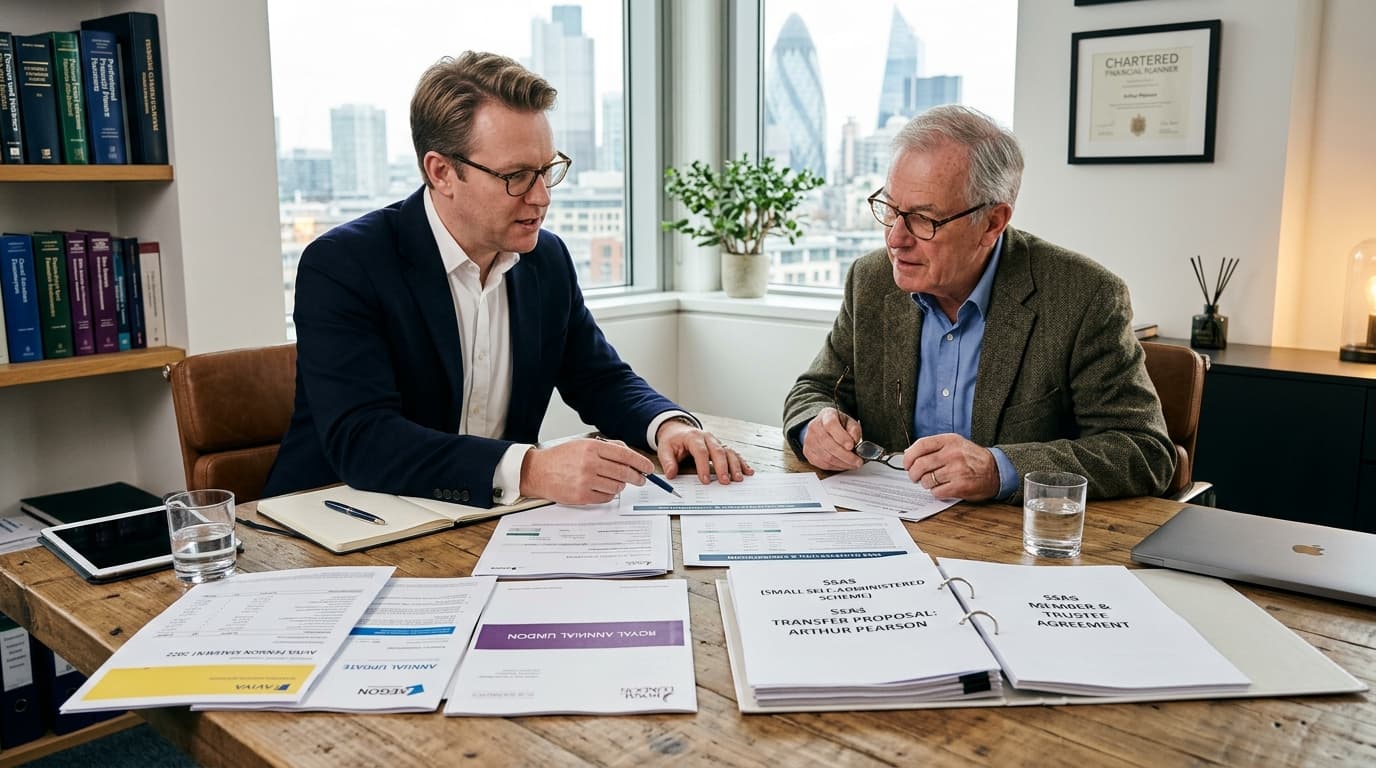
Setting Up an SSAS: A Step-by-Step Guide for Business Owners
Written by Matt Lenzie
Former Banker & Corporate Finance Partner
Getting Started: What You Need Before Setting Up an SSAS
Establishing a Small Self-Administered Scheme is a structured process that typically takes 4-8 weeks from instruction to HMRC registration. Unlike opening a SIPP — which can sometimes be done online in minutes — an SSAS is a bespoke legal entity that requires proper documentation and regulatory approval.
Before you begin, you will need to have the following in place:
- A UK-registered limited company as the sponsoring employer
- Identified members (directors/employees) who will join the scheme
- A chosen pensioneer trustee firm
- Clarity on your funding strategy (employer contributions, pension transfers, or both)
- A sense of your investment objectives (property, loanback, diversified portfolio)
In our experience, the businesses that set up their SSAS most smoothly are those that have thought carefully about their medium-term investment plans before beginning the process. Knowing you intend to acquire commercial property within 12 months, for example, shapes decisions about trustee structure, initial funding levels, and the timing of HMRC registration.
Step 1: Choose a Pensioneer Trustee
The pensioneer trustee is the cornerstone of SSAS governance. HMRC requires that every SSAS has at least one independent professional trustee who is authorised to act in this role. The pensioneer trustee:
- Drafts or oversees the scheme deed and rules
- Acts as a safeguard against non-compliant investments
- Submits annual scheme returns to HMRC
- Manages scheme documentation and record-keeping
- Provides guidance when trustees are considering unusual transactions
There are a relatively small number of firms offering pensioneer trustee services in the UK. Costs range from approximately £1,500 to £3,000 per annum. When selecting a pensioneer trustee, consider their experience with property transactions specifically — some are more comfortable with complex property and loanback transactions than others.
Matt Lenzie notes: "The pensioneer trustee you choose will be your long-term partner in running the scheme. I would always encourage business owners to interview two or three before committing. Ask specifically about their experience with commercial property purchases and loanback transactions, as these are where you need active, knowledgeable support."
Step 2: Draft the Scheme Deed and Rules
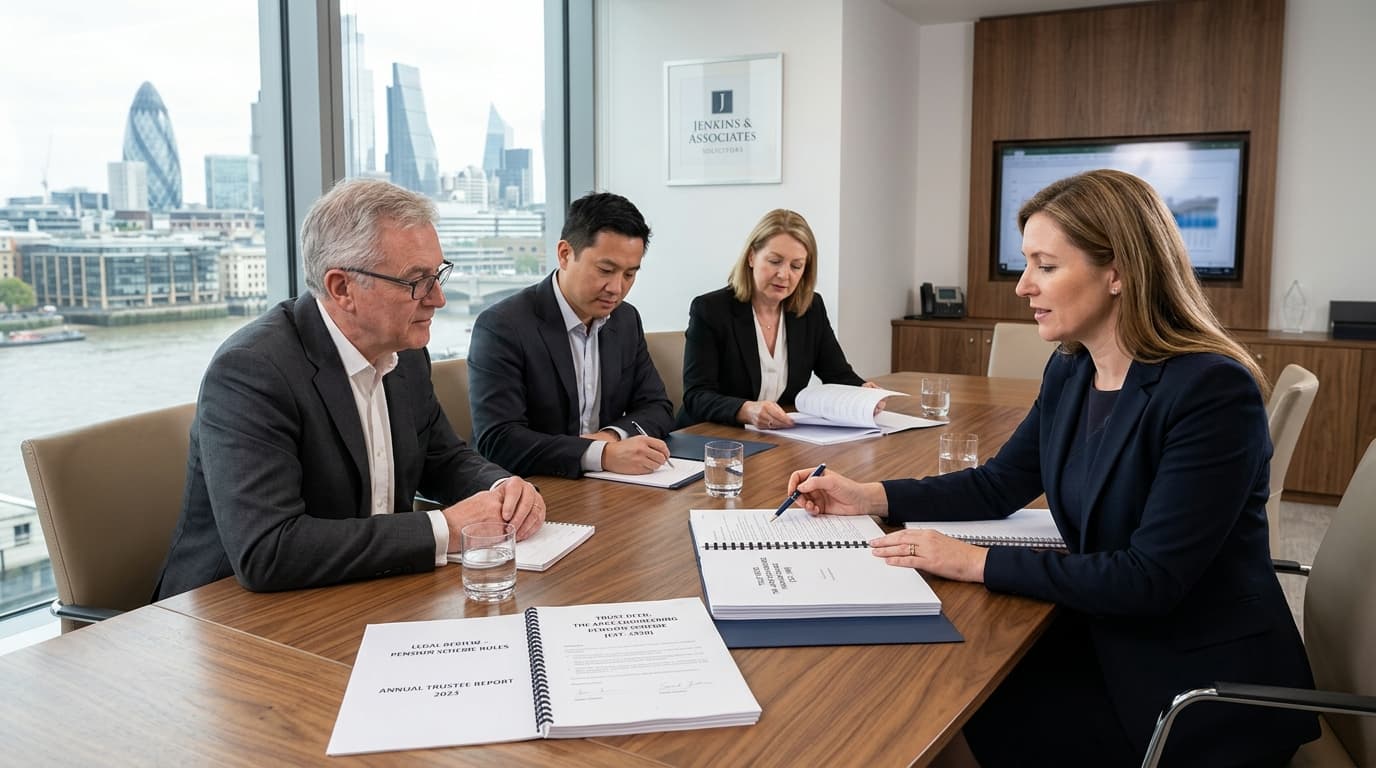
The pensioneer trustee will typically draft the Trust Deed and Rules — the legal document that establishes the scheme and governs its operation. This document sets out:
- The name of the scheme
- The identity of the sponsoring employer
- The names of the initial trustees (members and pensioneer trustee)
- The investment powers of the trustees
- The rules governing contributions, benefits, and winding up
All initial trustees must sign the deed. You should review this document carefully with your legal adviser before signing, as it is the constitutional document of the scheme. For more information on trustee responsibilities, see our guide on SSAS trustee responsibilities.
Step 3: HMRC Registration
Once the scheme deed is executed, the pensioneer trustee will apply to HMRC to register the scheme as a Registered Pension Scheme. Registration is essential — without it, none of the pension tax reliefs apply, and contributions will not attract relief.
HMRC issues a Pension Scheme Tax Reference (PSTR) upon registration, which confirms the scheme's registered status. This typically takes 2-6 weeks from application, though HMRC's processing times can vary.
HMRC registration is free. The scheme must meet all the conditions of a Registered Pension Scheme as defined in the Finance Act 2004.
Step 4: Open a Scheme Bank Account
The SSAS requires its own dedicated bank account, held in the name of the trustees. This account is entirely separate from the directors' personal accounts and the company's business accounts — an important point for both regulatory compliance and practical administration.
Most high street banks will open a trustee account for an SSAS, though the process can take several weeks and requires scheme documentation including the trust deed and evidence of HMRC registration. Some specialist providers offer faster account opening specifically for pension schemes.
Step 5: Transfer Existing Pensions into the SSAS
Many members will have existing pension arrangements — previous employer pensions, SIPPs, or other personal pensions — that they wish to consolidate into the new SSAS. Pension transfers are a common and important source of initial funding for SSAS schemes.
The transfer process involves:
- Requesting a transfer value statement from each existing pension provider
- Completing the receiving scheme's (SSAS's) transfer request forms
- The existing provider making payment to the SSAS bank account
- Updating the SSAS's investment records to reflect the new funds
Transfers from defined benefit (final salary) schemes require specialist financial advice and should be approached with great care. For defined contribution transfers, the process is more straightforward. For more detail, see our guide on SSAS pension transfers.
Step 6: Make Initial Contributions
Once the bank account is open and any transfers have completed, the scheme can receive contributions. The sponsoring employer typically makes the first contributions, which are deductible against corporation tax.
For more on maximising employer contributions, including the use of carry forward, see our guide on SSAS employer contributions.
Step 7: Begin Investing
With funds in the scheme, the trustees can begin making investments. If the plan is to purchase commercial property, this is where specialist finance may be required. An SSAS can borrow up to 50% of the scheme's net asset value to fund a property purchase, giving it significantly greater buying power than the cash alone would allow.
Use our SSAS mortgage calculator to model the borrowing capacity of your scheme, or explore our SSAS property finance page to understand the lending options available.
Ongoing Administration Requirements
Once established, an SSAS requires ongoing administration including:
- Annual scheme return to HMRC (submitted by the scheme administrator)
- Annual accounts preparation
- Investment valuations (at least annually)
- Trustee meetings to review investments and scheme matters
- Record-keeping of all trustee decisions and investment transactions
For a fuller picture of the scheme administrator's role, see our guide on SSAS scheme administration.
Costs of Setting Up an SSAS
Budget for the following setup costs:
- Pensioneer trustee setup fee: £1,000-£3,000
- Legal documentation (if using a separate solicitor): £500-£2,000
- HMRC registration: Free
- First year's pensioneer trustee fee: £1,500-£3,000
Total setup costs typically range from £3,000 to £8,000. Ongoing annual costs are £2,000-£5,000. These costs should be weighed against the substantial tax savings the SSAS can generate.
"Setting up an SSAS is a meaningful undertaking, but it is not complicated when you have the right support. In most cases, the pensioneer trustee does the heavy lifting. The directors' main job is to get clear on what they want to do with the scheme once it is established."
— Matt Lenzie, Former Banker & Corporate Finance Partner
How We Can Help
If your intention in setting up an SSAS is to purchase commercial property — whether your own business premises or an investment property — our team can help you understand how to structure the finance. Contact us today to discuss your requirements, or explore our SSAS property mortgage options.
Key Takeaways
- Setting up an SSAS takes 4-8 weeks from instruction to HMRC registration
- Choosing the right pensioneer trustee is the most important early decision
- The Trust Deed and Rules are the constitutional document of the scheme — review them carefully
- Existing pensions can be transferred into the SSAS to build initial fund size
- Once established, the scheme requires regular administration and annual HMRC returns
- Total setup costs are typically £3,000-£8,000, with ongoing annual costs of £2,000-£5,000
About the Author
Matt Lenzie
Former Banker & Corporate Finance Partner
Matt Lenzie is a former banker and corporate finance partner with extensive experience in pension-backed property transactions. He founded SSAS Property Finance to help company directors and trustees navigate the complexities of commercial property acquisition through Small Self-Administered Schemes.