SSAS Hotel Property Purchase: Hospitality Assets in Your Pension Scheme
Written by Matt Lenzie
Former Banker & Corporate Finance Partner
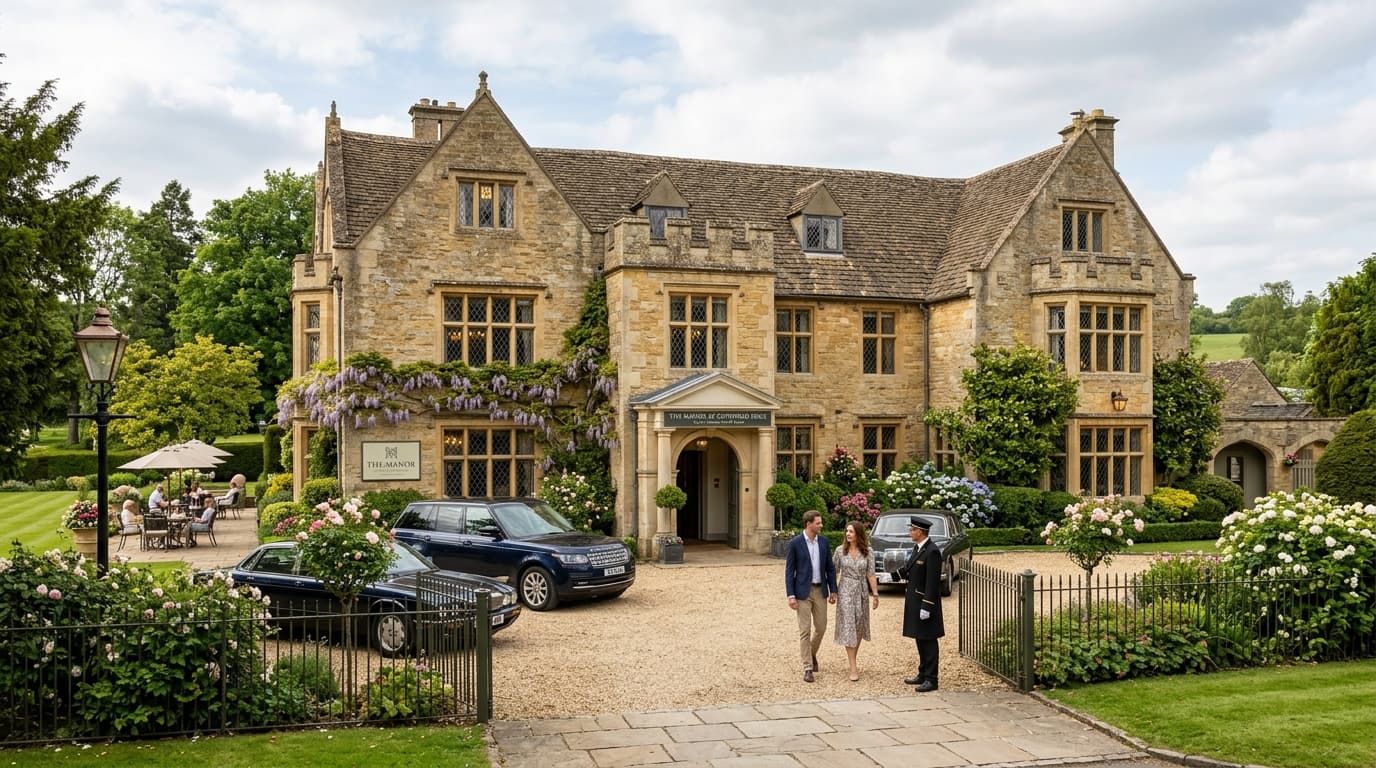
SSAS Hotel Property: A Specialist Investment Requiring Careful Structuring
Hotels and hospitality property occupy a unique position in the SSAS investment landscape. On one hand, they are commercial properties generating business income — which is precisely what pension schemes are designed to invest in. On the other hand, they provide overnight accommodation, which sits close to the boundary of HMRC's residential property rules.
The good news is that genuine commercial hotels — properties operated as a business providing accommodation services — are generally regarded as commercial properties for SSAS purposes, not residential property. However, the details matter, and specialist advice is essential before any SSAS hotel acquisition.
HMRC Classification: Hotels as Commercial Property
HMRC distinguishes between residential property (used as a dwelling) and commercial accommodation (provided as a service). Hotels, guest houses, and bed and breakfast establishments are operated as businesses — their rooms are not "dwellings" in the HMRC sense, even though they provide sleeping accommodation.
The key characteristics that support hotel classification as commercial property for SSAS purposes include:
- The property is operated commercially as a hospitality business
- Guests are transient — they do not have the right to occupy specific accommodation on an ongoing basis
- The operation is subject to business rates, not council tax
- The property is subject to commercial energy tariffs
- The operator has a hotel or hospitality trade classification for VAT and business tax purposes
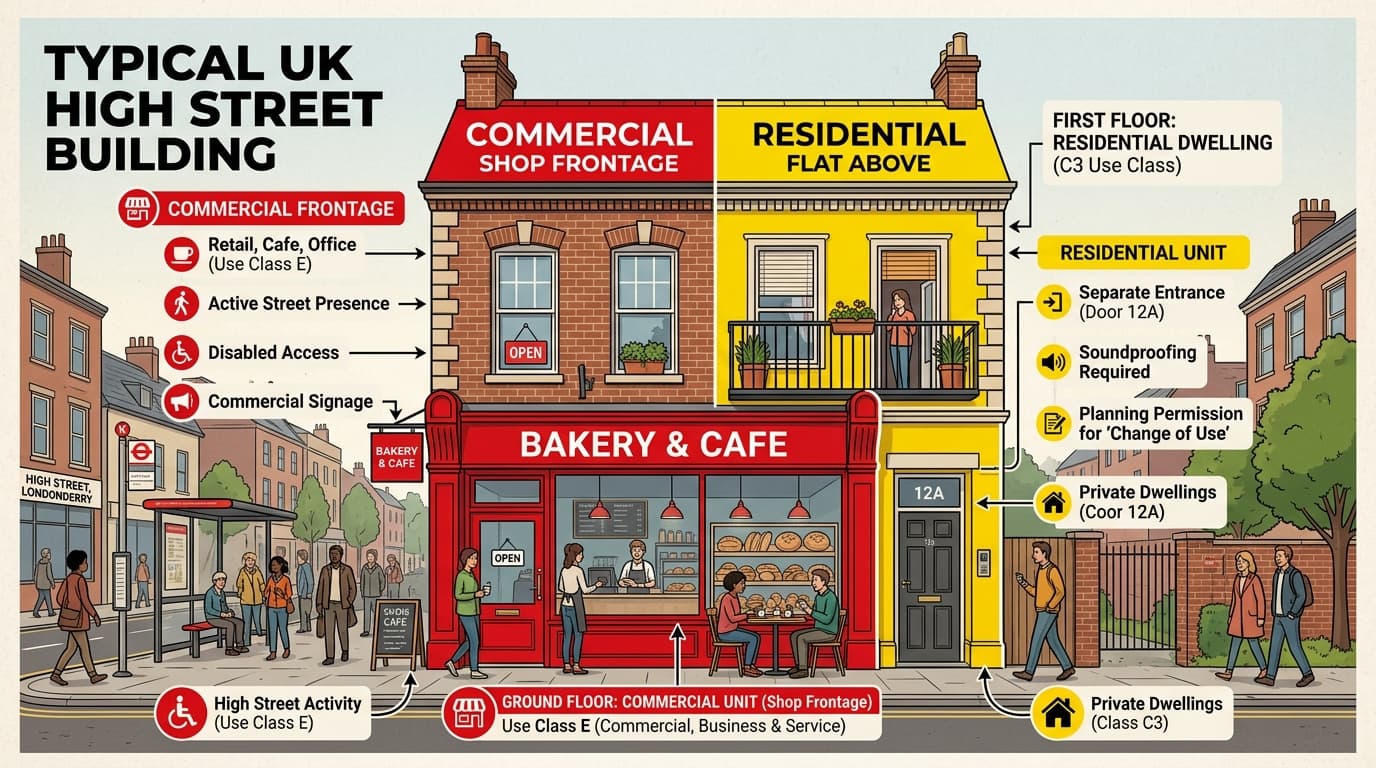
However, if the hotel contains permanent staff or management accommodation — flats or houses within the property used as a principal residence by any person — this element would constitute residential property and potentially taxable property for SSAS purposes.
Types of Hotel Property Available to SSAS Investors
The hotel sector encompasses a wide range of asset types at different price points:
- Budget hotels: Standardised room-format hotels operated under national or international brands. High occupancy rates, predictable income, but limited upside and operator-dependence on brand performance
- Independent boutique hotels: Character properties operated independently. Higher income variability but potential for stronger returns with good management
- Guest houses and B&Bs: Smaller hospitality properties in tourism hotspots. Lower capital requirement but more management-intensive
- Aparthotels and serviced accommodation: Hybrid between hotel and residential — these require specialist assessment for SSAS purposes
Operator-Led vs. Property Investment Structure
There are two broad approaches to hotel investment within a SSAS:
- Property-only investment: The SSAS owns the hotel real estate and leases it to a hotel operator on a commercial lease. The operator runs the hotel business and pays rent. The SSAS has no involvement in hotel operations. This is the most straightforward structure for SSAS purposes
- Business and property investment: The SSAS owns the property and the hotel business is conducted within it. This is more complex — SSAS schemes can own business assets but the interaction between business income and pension scheme rules requires careful management
For most SSAS trustees, the property-only approach — owning the hotel building and leasing it to an operator — is more suitable.
"Hotel property investment through a SSAS is genuinely viable, but it's not straightforward. We spend a lot of time on the initial classification analysis and ensuring the lease structure is clean before proceeding. When it all comes together properly, hotels can be excellent SSAS assets — high yields, long leases, and demographic demand drivers." — Matt Lenzie
Serviced Accommodation and Aparthotels: A Word of Caution
Serviced accommodation — furnished flats or apartments available for short-term rental — is a growing sector that sits at the boundary of residential and commercial use. For SSAS purposes, serviced accommodation is generally treated as residential property (and therefore taxable property) unless it is operated as a genuine hotel-format business with all the characteristics of a commercial hospitality operation.
The rise of platforms like Airbnb has created a new category of quasi-commercial short-term letting that does not clearly fall into the commercial hotel category. SSAS trustees should avoid serviced accommodation investments unless specialist advice confirms the commercial classification.
Financing Hotel Property Through a SSAS
Hotel property finance within a SSAS requires specialist lenders with expertise in hospitality assets. The key lender considerations include:
- The operator's track record and financial strength
- Hotel occupancy rates and RevPAR (revenue per available room) performance
- The lease terms — FRI leases with long unexpired terms are preferred
- Location and market positioning of the hotel
- Whether the investment is property-only or includes a business element
Contact our team to discuss hotel property finance options for your SSAS, and explore our panel of specialist SSAS mortgage lenders.
Key Takeaways
- Genuine commercial hotels are generally classified as commercial property for SSAS purposes — not residential
- Staff or management residential accommodation within the hotel may constitute taxable property
- Serviced accommodation and aparthotels require specialist assessment and may not qualify
- Property-only investment (owning the building and leasing to an operator) is the most straightforward SSAS hotel structure
- Specialist lenders and advisers are required for hotel property investment within a SSAS
Discuss Hotel Property Investment for Your SSAS
Contact us to explore hotel and hospitality property investment within your SSAS. For related reading, see our guides on care home investment, mixed-use property, and choosing the right property type.
About the Author
Matt Lenzie
Former Banker & Corporate Finance Partner
Matt Lenzie is a former banker and corporate finance partner with extensive experience in pension-backed property transactions. He founded SSAS Property Finance to help company directors and trustees navigate the complexities of commercial property acquisition through Small Self-Administered Schemes.