SSAS Office Property Investment: A Complete Guide for Pension Trustees
Written by Matt Lenzie
Former Banker & Corporate Finance Partner
SSAS Office Property Investment: Is It Right for Your Scheme?
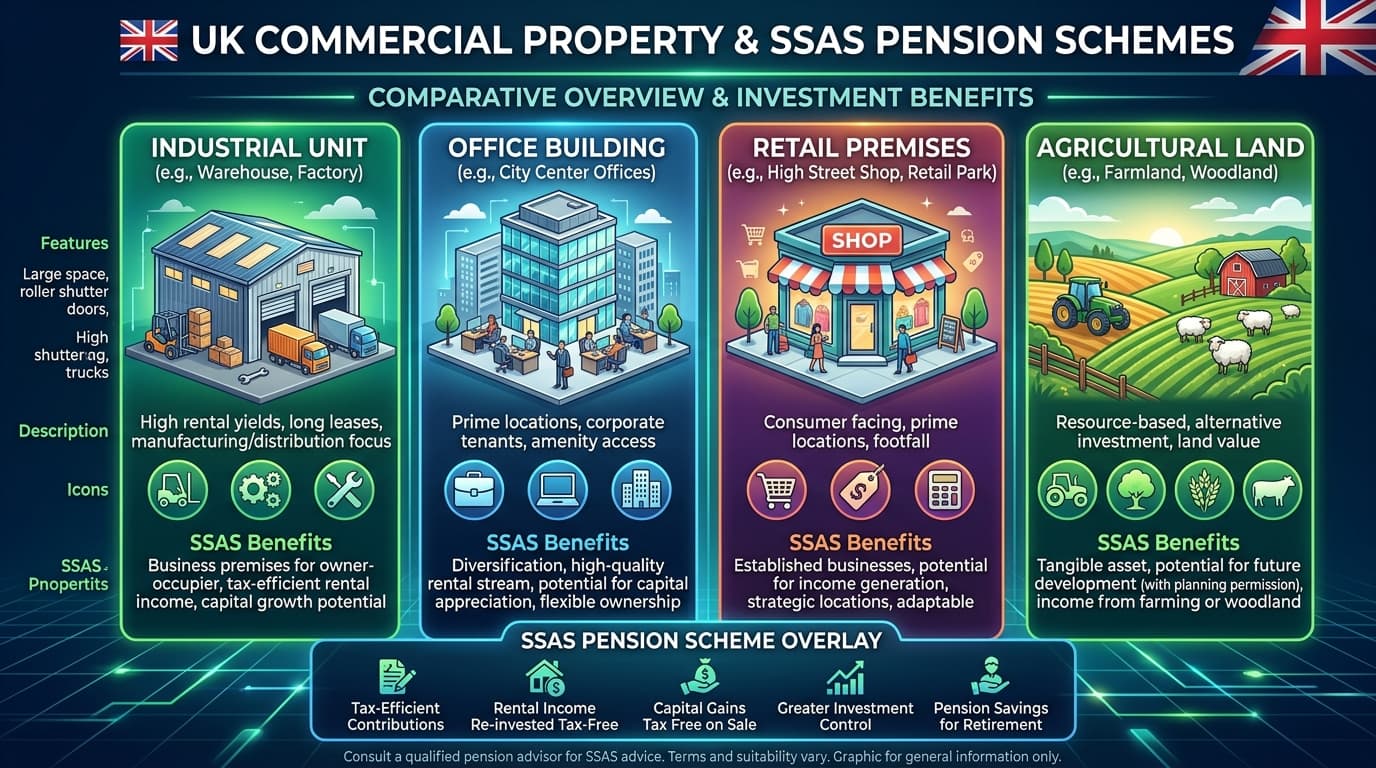
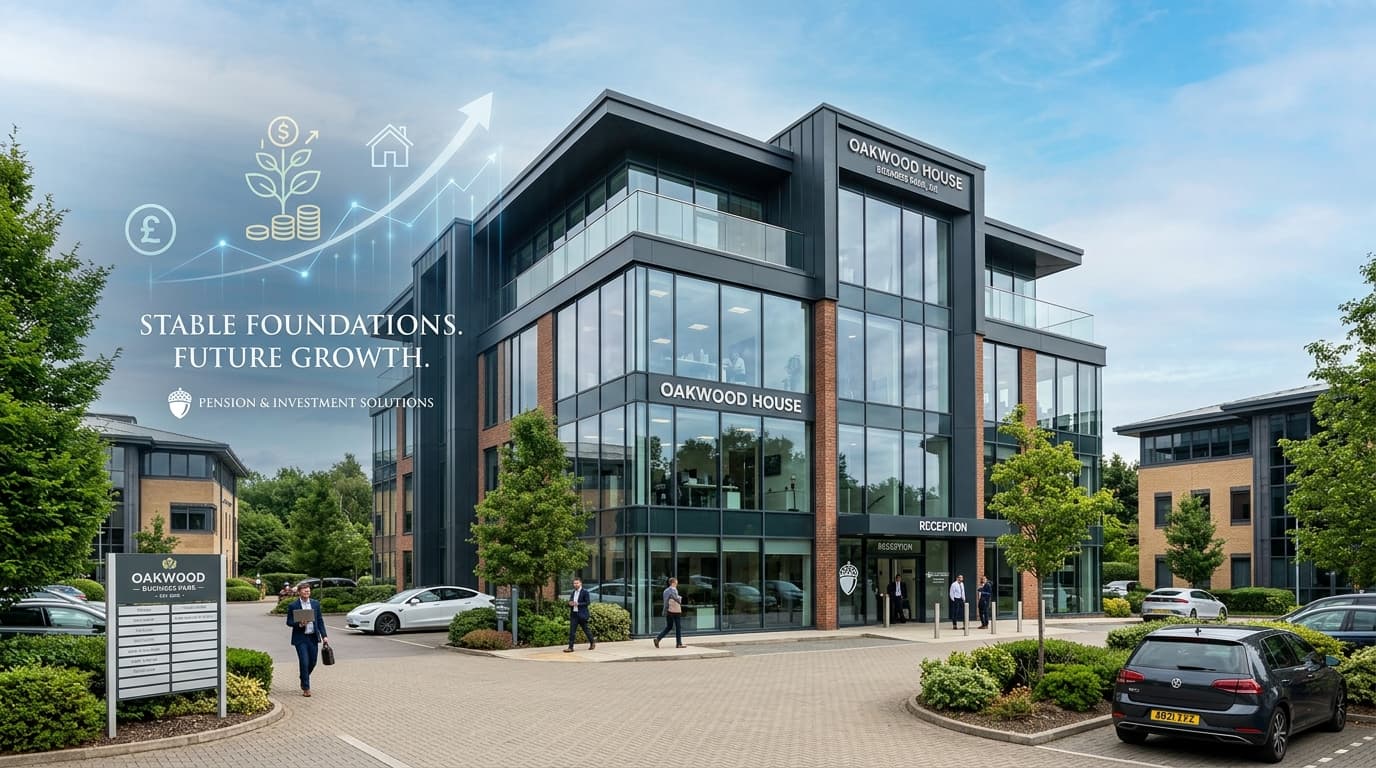
Office property represents one of the most accessible and commonly held asset classes within SSAS pension schemes. From single-floor suites in regional business parks to multi-let office buildings in secondary towns, office assets offer SSAS trustees a range of investment opportunities at various price points and risk profiles.
In our experience, office property within a SSAS is most powerful when the sponsoring employer occupies part or all of the space. This creates the dual tax advantage of corporation tax relief on the rent paid by the business and tax-free rental income received by the pension fund — making the investment work harder than almost any alternative.
Why Office Property Works Well in a SSAS
Several characteristics of office property make it particularly suitable for SSAS investment:
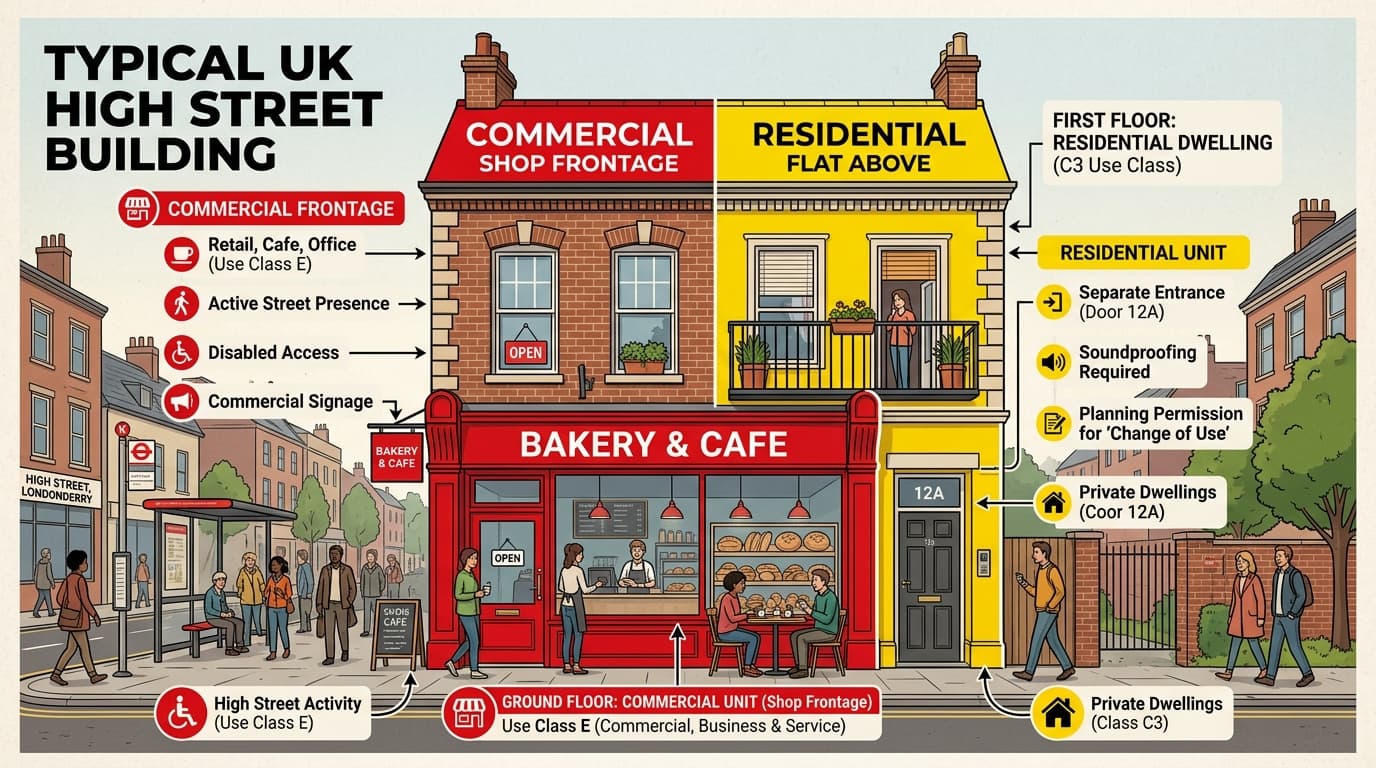
- Commercial classification: Office property is unambiguously commercial — there are no residential complications to navigate
- Connected party leases: Many owner-managed businesses operate from office premises, making a connected party lease straightforward to establish
- Relatively liquid: Office properties, particularly in established business parks or town centres, are generally more liquid than some other commercial asset types
- Institutional quality available: At higher price points, SSAS schemes can access institutional-quality office assets with strong tenant covenants
- Lease terms: Commercial office leases typically run for 5-15 years, providing the SSAS with a reliable and predictable income stream
The Connected Party Office Lease: A Worked Example
Consider a professional services business employing 20 staff that currently rents office space for £80,000 per year from a third-party landlord. The directors establish a SSAS, make employer contributions over three years, arrange a SSAS mortgage, and purchase an office building for £850,000.
The business then enters into a market-rent lease with the SSAS at the same £80,000 per year. The results:
- The £80,000 rent is now a corporation tax-deductible business expense (same as before)
- The £80,000 rent is received tax-free by the SSAS (previously, this money left the business permanently)
- The SSAS uses the rental income to service the mortgage and build equity
- Any capital growth on the office building accrues within the pension, free from CGT
Matt Lenzie notes: "The transformation from tenant paying rent to an external landlord, to tenant paying rent into your own pension fund, is one of the most immediate and tangible benefits of the SSAS structure. It's not complex, it's not aggressive — it's simply using a legitimate structure as it was designed to be used."
Office Property Market Considerations
Before committing the SSAS to an office investment, trustees should consider the current state of the office market and the specific characteristics of the target property:
- Location: Town centre versus out-of-town business park; proximity to public transport and amenities
- Grade: Grade A (modern, high-specification) versus Grade B/C (older, less specified) — the post-COVID shift towards higher-quality space has widened the gap between grades
- Tenant mix: Single-let versus multi-let — single-let offers simplicity but higher vacancy risk; multi-let provides diversification
- EPC rating: Energy efficiency requirements for commercial property are tightening, and properties with low EPC ratings may face regulatory risk and capital expenditure requirements
- Car parking: Adequate car parking remains important for most office occupiers outside major cities
Financing Office Property Through a SSAS
SSAS schemes can borrow up to 50% of their net asset value to fund property acquisitions. For office properties, a range of specialist lenders offer SSAS mortgages with competitive terms. Use our SSAS mortgage calculator to model the financing for a specific property.
Key lender considerations for office property include:
- Tenant covenant strength — lenders prefer strong, established tenants over newer businesses
- Lease length — longer leases (ideally 5+ years unexpired) attract more favourable terms
- Vacant possession properties — lenders may require a higher equity contribution for vacant properties
- EPC rating — some lenders are beginning to price in EPC risk for lower-rated properties
Explore our panel of SSAS mortgage lenders to understand the options available for your office acquisition.
Post-Acquisition Management
SSAS trustees should plan for the ongoing management of any office property investment:
- A professional managing agent is recommended for multi-let properties or where the SSAS trustees do not have property management expertise
- Service charge management and recharge to tenants requires proper documentation
- Planned maintenance programmes protect the asset's value and reduce the risk of unexpected capital expenditure
- Rent review procedures must follow the terms of the lease and should be managed carefully to maintain market rents
Key Takeaways
- Office property is one of the most accessible and commonly held commercial assets in SSAS pension schemes
- Connected party leases to the sponsoring employer create a powerful dual tax advantage
- Location, grade, EPC rating, and lease terms are key investment selection criteria
- SSAS mortgage financing is available up to 50% of the scheme's net asset value
- Post-acquisition management is an ongoing responsibility that may require professional support
Explore SSAS Office Property Finance
Whether you are acquiring new office premises for your business or building a diversified commercial property portfolio, our team can help you structure the SSAS and arrange the right finance. Contact us today to discuss your requirements.
For related reading, see our guides on tax-free rental income, choosing the right property type, and industrial unit investment.
About the Author
Matt Lenzie
Former Banker & Corporate Finance Partner
Matt Lenzie is a former banker and corporate finance partner with extensive experience in pension-backed property transactions. He founded SSAS Property Finance to help company directors and trustees navigate the complexities of commercial property acquisition through Small Self-Administered Schemes.