Buying Commercial Property Through an SSAS: The Complete Guide
Written by Matt Lenzie
Former Banker & Corporate Finance Partner

Why Buy Commercial Property Through Your SSAS?
The ability to hold commercial property within a pension scheme is one of the defining advantages of the SSAS structure. When you buy commercial property through your SSAS, you are simultaneously building retirement wealth and — if you lease the property back to your own business — creating a tax-efficient mechanism for extracting value from your company.
The financial case is compelling. Consider a business owner who purchases their trading premises through their SSAS for £500,000. The rental income — say £35,000 per annum — accumulates within the pension wrapper free of income tax. Any capital appreciation on the property is free of capital gains tax. And the rent paid by the company is deductible against corporation tax, effectively funnelling pre-tax profits into the pension scheme.
Matt Lenzie notes: "I have seen this structure transform retirement outcomes for business owners who had modest pension savings in their 40s. Acquiring business premises through the SSAS and collecting rent for 15-20 years can build a retirement fund that would have taken decades to accumulate through conventional pension contributions alone."
What Types of Commercial Property Can an SSAS Buy?
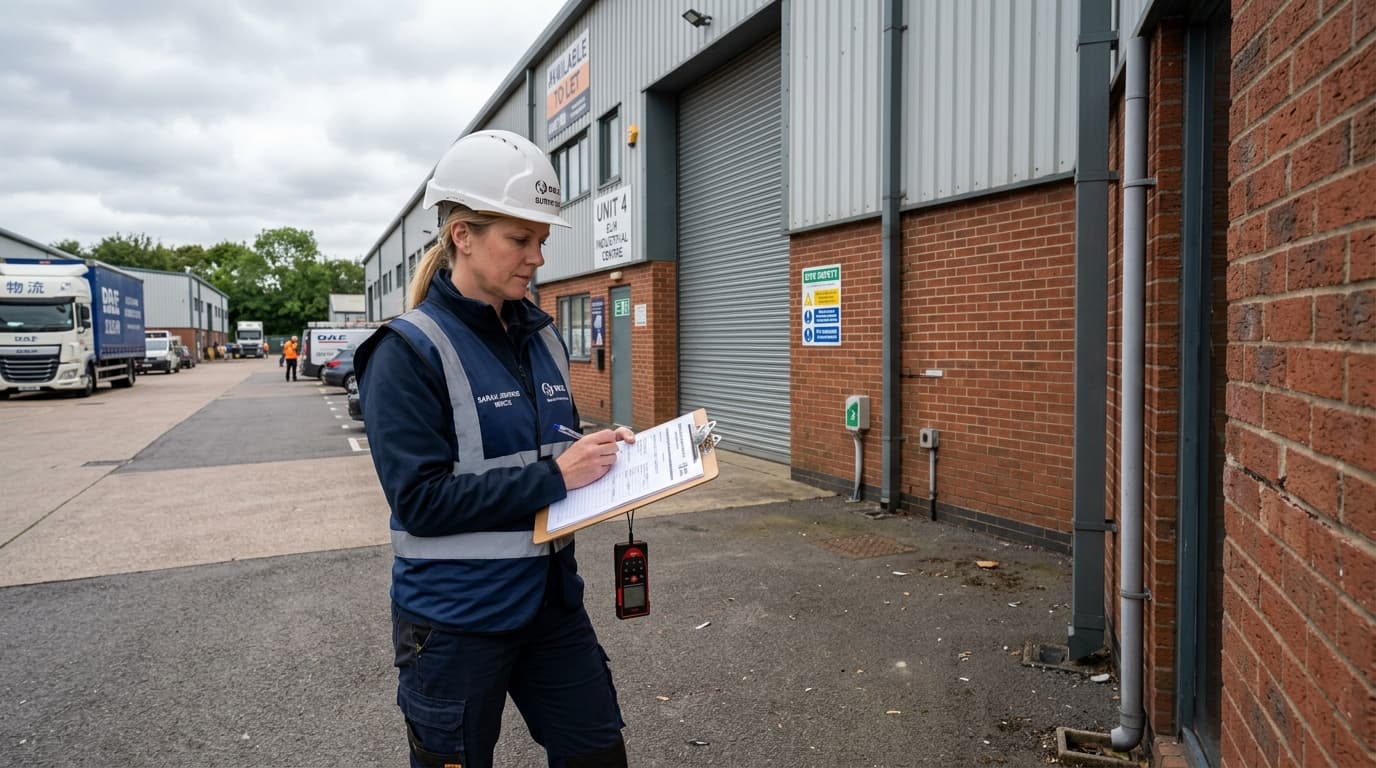
SSAS pension schemes can purchase a wide range of commercial property, including:
- Industrial units, warehouses, and logistics facilities
- Office buildings and business parks
- Retail units, shops, and high street premises
- Pubs, restaurants, and hospitality venues
- Agricultural land and farm buildings
- Mixed-use properties (where the commercial element predominates)
- Car parks and petrol stations
- GP surgeries and dental practices
- Leisure and sports facilities
Residential property is expressly prohibited — this includes houses, flats, student accommodation, HMOs, holiday lets, and care homes. Breaching this prohibition triggers severe HMRC tax charges.
For a detailed exploration of permitted property types, see our guide on SSAS property finance.
Can the SSAS Buy the Company's Own Premises?
Yes — and this is one of the most commonly used strategies. An SSAS can purchase commercial property directly from the sponsoring employer (or from connected parties) and lease it back to them. This is known as a sale and leaseback arrangement.
For the transaction to be HMRC-compliant, it must be conducted at open market value. This requires an independent RICS valuation confirming the price is fair. The subsequent lease must also be at a commercial rent, evidenced by the RICS surveyor or letting agent.
The sale and leaseback delivers an immediate cash injection to the company (the sale proceeds) while keeping the business in occupation of its premises. The company then pays rent — deductible against corporation tax — to its own SSAS pension scheme.
How Much Can an SSAS Borrow to Buy Property?
An SSAS can borrow up to 50% of its net asset value (NAV) to fund a property purchase. This significantly extends the scheme's buying power. For example, a scheme with £600,000 in assets can borrow up to £300,000, giving total purchasing power of up to £900,000 (subject to the property's rental income covering the mortgage).
Specialist lenders — rather than high street banks — are the primary source of SSAS mortgage finance. Interest rates, lending criteria, and maximum loan-to-value ratios vary by lender and property type. Our SSAS mortgage calculator can give you an initial estimate, and our team can introduce you to the most appropriate lenders for your specific property and circumstances via our lender panel.
The Rental Yield Requirement
Lenders assess SSAS mortgage applications primarily on the basis of rental income coverage — the rental income generated by the property relative to the mortgage interest payments. Most lenders require rental income to cover interest payments by a factor of 125-145%, calculated at a stressed interest rate.
This means the property's rental yield is a critical factor in determining how much the SSAS can borrow. A higher-yielding property (say, a warehouse let at 8% yield) will support more borrowing than a lower-yielding office (at 5% yield).
The Role of a Lease in the SSAS Property Purchase
Once the SSAS owns the commercial property, it must grant a lease to any tenant (including the sponsoring company). The lease is a formal legal document that sets out:
- The lease term (typically 5-25 years for commercial leases)
- The initial rent and rent review provisions
- The tenant's repairing and insuring obligations
- Break clauses (if any)
- Permitted use of the property
The lease must be at a commercial rent to satisfy HMRC's requirements. Where the sponsoring employer is the tenant, an independent rent assessment should be obtained to demonstrate arm's-length terms. For more on the solicitor's role in the transaction, see our guide on the role of the solicitor in an SSAS purchase.
Key Steps in the Purchase Process
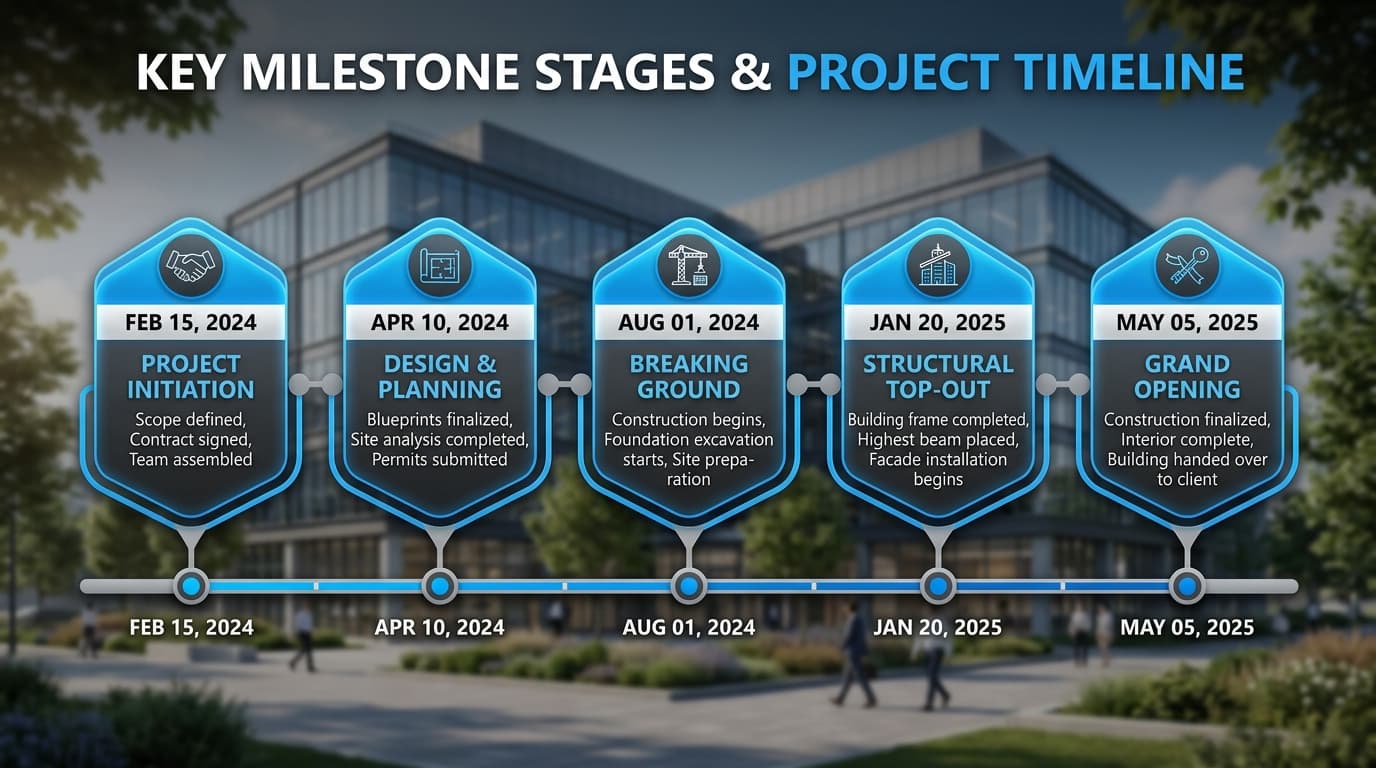
The SSAS commercial property purchase process follows a structured sequence. For a detailed step-by-step breakdown, see our dedicated guide on the SSAS property purchase process. In summary, the key steps are:
- Trustee decision to approve the purchase (with pensioneer trustee consent)
- Instruction of solicitor to act for the SSAS trustees
- RICS valuation to confirm open market value
- Mortgage application (if borrowing is required)
- Exchange of contracts
- Mortgage completion (funds drawn down)
- Legal completion — SSAS becomes registered owner
- Lease granted to tenant
- Rent collection commences
Tax Advantages of Holding Commercial Property in an SSAS
The tax benefits operate at multiple levels:
- No income tax on rental income within the pension wrapper
- No capital gains tax on any increase in property value
- Corporation tax deduction for rent paid by the sponsoring company
- Stamp Duty Land Tax: Applies to the purchase, as it would for any other buyer — there is no pension tax exemption from SDLT
- Inheritance tax efficiency: Property held within the SSAS falls outside the member's estate
Using an SSAS Mortgage
Most SSAS property purchases involve some element of borrowing. The SSAS mortgage market is served by specialist lenders who understand the pension trust structure and can lend directly to SSAS trustee borrowers. Key features of SSAS mortgage finance include:
- Loans are made to the trustees as borrowers, secured by a first charge over the property
- Maximum LTV is typically 65-70% of the property's purchase price or RICS value (whichever is lower)
- Loan terms typically range from 5 to 25 years
- Both interest-only and capital repayment mortgages are available
To discuss your financing requirements, contact our team or explore our SSAS property mortgage page.
"The combination of tax-free rental income, capital gains exemption, and corporation tax relief on the rent is simply unmatched by any other investment structure available to owner-managed businesses. Commercial property in an SSAS is not just a pension investment — it is a business strategy."
— Matt Lenzie, Former Banker & Corporate Finance Partner
Key Takeaways
- SSAS pensions can hold most types of commercial property, including the company's own trading premises
- Sale and leaseback to the sponsoring employer is a powerful tax planning strategy
- The SSAS can borrow up to 50% of its NAV to fund a property purchase
- Rental income and capital gains accumulate tax-free within the pension wrapper
- The purchase must be at open market value, evidenced by an independent RICS valuation
- A commercial lease at open market rent must be granted to any tenant, including the sponsoring employer
About the Author
Matt Lenzie
Former Banker & Corporate Finance Partner
Matt Lenzie is a former banker and corporate finance partner with extensive experience in pension-backed property transactions. He founded SSAS Property Finance to help company directors and trustees navigate the complexities of commercial property acquisition through Small Self-Administered Schemes.