SSAS Warehouse Investment: How to Hold Logistics Property in Your Pension
Written by Matt Lenzie
Former Banker & Corporate Finance Partner
SSAS Warehouse Investment: Capitalising on the Logistics Boom
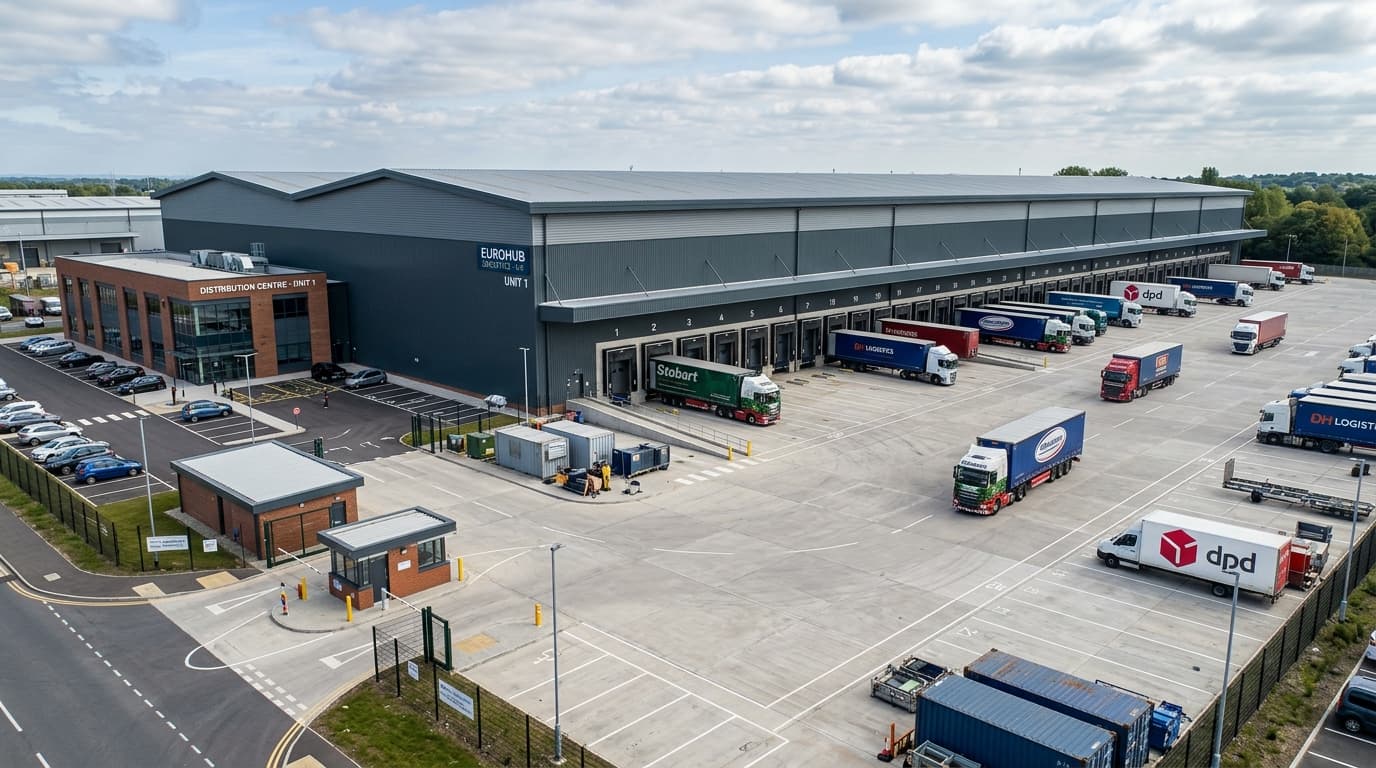
The rise of e-commerce has fundamentally transformed the UK commercial property landscape, and nowhere is this more visible than in the warehouse and logistics sector. Demand for warehouse space — from last-mile fulfilment centres to large-scale regional distribution hubs — has driven unprecedented rental growth and yield compression over the past decade.
For SSAS pension scheme trustees, warehouse property offers a compelling combination of strong income returns, capital appreciation potential, and straightforward commercial classification. The tax-free rental income and CGT exemption that apply to all SSAS commercial property investments make warehouses particularly attractive when the underlying market fundamentals are as strong as they currently are.
The Logistics Megatrend: Why Warehouse Demand Remains Robust
Several structural factors underpin the long-term demand case for UK warehouse property:
- E-commerce growth: Online retail continues to capture a growing share of total retail sales, requiring significantly more warehouse space than equivalent traditional retail
- Supply chain re-shoring: Post-pandemic, many businesses are holding larger inventory buffers and shortening supply chains, increasing demand for UK-based storage space
- Last-mile logistics: The expectation of next-day or same-day delivery creates demand for urban and peri-urban logistics facilities close to major population centres
- Constrained supply: Planning restrictions and competition for suitable sites limit the supply of new warehouse space, particularly in urban areas
Types of Warehouse Investment Available to SSAS Schemes
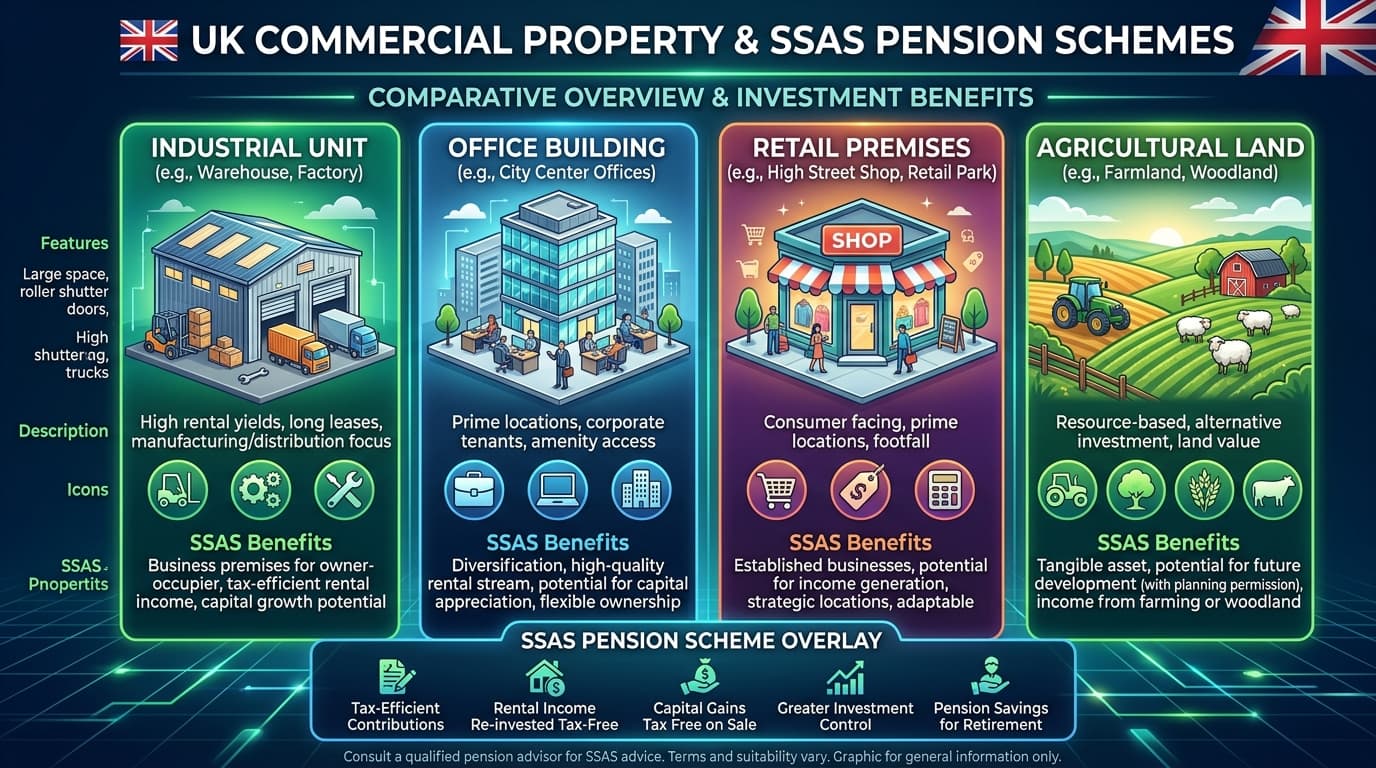
The warehouse sector encompasses a wide range of asset types, from small local storage units to large national distribution centres. For SSAS schemes, the most accessible and relevant formats include:
- Small multi-let industrial/warehouse estates: Units of 2,000-10,000 sq ft in established industrial locations. Lower capital requirement, income diversification across multiple tenants, simple FRI leases
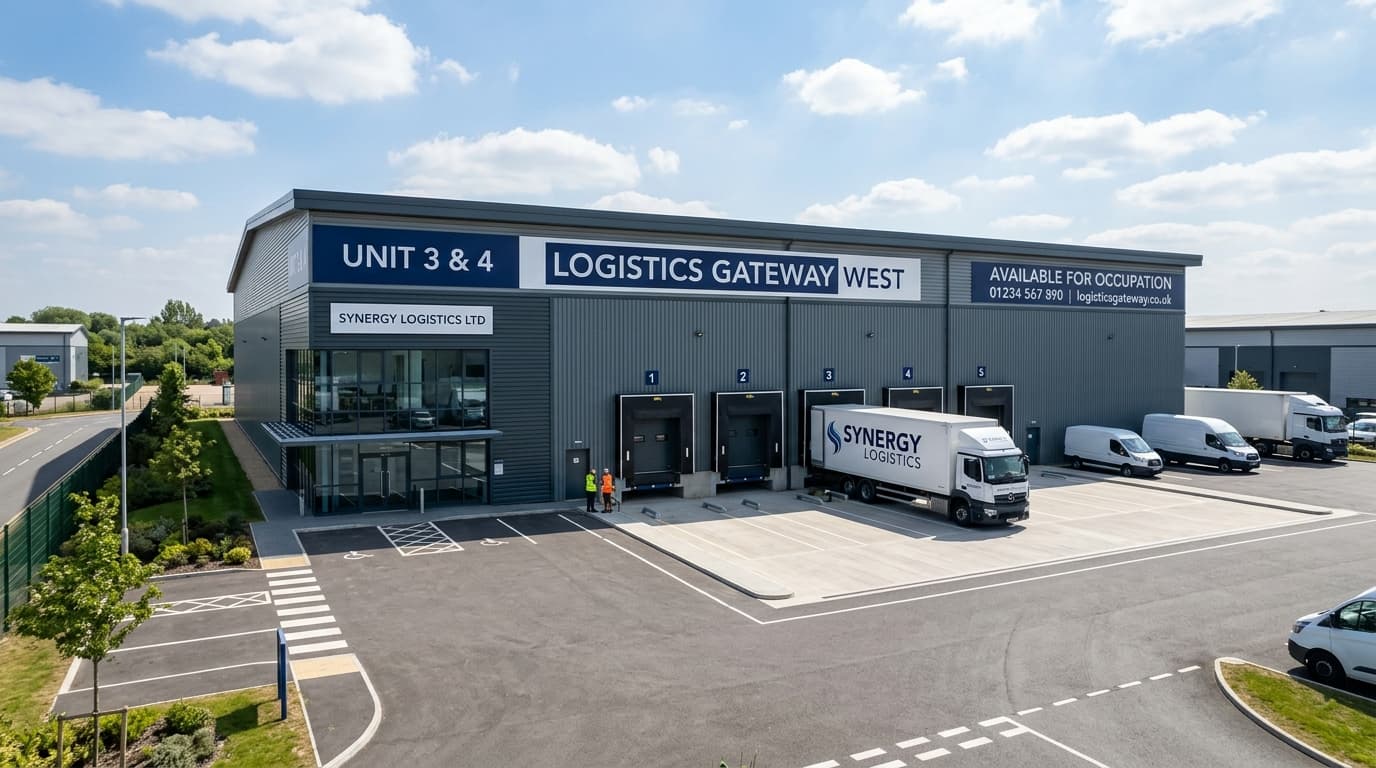
- Single-let distribution units: Units of 10,000-50,000 sq ft let to a single tenant — typically a regional or national business. Higher capital requirement but typically stronger tenant covenant and longer lease term
- Last-mile logistics facilities: Smaller units in urban or peri-urban locations used as final delivery hubs. Growing demand, but specialist knowledge required
- Cold storage: Specialist facilities for food and pharmaceutical distribution. Higher yields than conventional warehouses but require specialist expertise and significant capital expenditure
For most SSAS investors, multi-let smaller estates or single-let mid-size units offer the most attractive risk-adjusted opportunity, combining accessible price points with strong demand fundamentals.
Connected Party Warehouse Leases
For business owners in distribution, logistics, wholesale, or manufacturing sectors, holding their operating warehouse in the SSAS and leasing it back to their business is an especially powerful strategy. The business pays market rent (a corporation tax-deductible expense) into the pension fund (where it accumulates tax-free).
Matt Lenzie notes: "Some of the most impactful SSAS investments we've seen are logistics and distribution businesses that hold their warehouse facilities in their pension. The rental yields on warehouses are typically higher than office property, the tenants — the clients' own businesses — are reliable, and the structural demand for warehouse space means capital values have been strong."
Warehouse Investment Due Diligence
Before committing SSAS funds to a warehouse investment, trustees should ensure thorough due diligence covering:
- Structural survey: Roof condition, loading bays, floor loading specification, and drainage are key structural considerations for warehouse properties
- Eaves height: Higher eaves heights accommodate more efficient racking and attract a wider range of occupiers — modern logistics requirements often specify 10m+ eaves
- Yard and access: Adequate yard depth for articulated lorries and good road access are essential for most logistics occupiers
- EPC rating: Energy efficiency is increasingly important for commercial tenants — lower-rated properties may face upgrade requirements
- Planning use class: Confirm the property is Class B2/B8 (industrial/warehousing) and that the intended use is authorised
Warehouse Property Finance for SSAS Schemes
Warehouse property is generally well-supported by SSAS mortgage lenders. The strong market fundamentals and clear commercial classification make warehouses one of the more straightforward property types to finance through a SSAS.
Typical financing parameters for SSAS warehouse acquisitions:
- Loan-to-value ratios of 65-75% for quality assets with strong tenants
- SSAS borrowing must stay within 50% of the scheme's net asset value
- Interest-only or capital and interest repayment options available
- Some lenders specialise in smaller industrial and warehouse assets
Use our SSAS mortgage calculator to model your financing options and explore our panel of SSAS mortgage lenders.
Key Takeaways
- Warehouse and logistics property has been among the best-performing commercial property sectors, driven by structural e-commerce and supply chain trends
- SSAS schemes can hold warehouse property to generate tax-free rental income and CGT-exempt capital growth
- Connected party warehouse leases to the sponsoring employer are a natural fit for many businesses
- Eaves height, yard depth, structural condition, and EPC rating are key due diligence priorities
- Warehouse property is generally well-supported by SSAS mortgage lenders
Finance Your SSAS Warehouse Investment
Our team has extensive experience arranging SSAS mortgage finance for warehouse and logistics property acquisitions. Contact us to discuss your requirements, or explore our guides on industrial unit investment and choosing the right property type.
About the Author
Matt Lenzie
Former Banker & Corporate Finance Partner
Matt Lenzie is a former banker and corporate finance partner with extensive experience in pension-backed property transactions. He founded SSAS Property Finance to help company directors and trustees navigate the complexities of commercial property acquisition through Small Self-Administered Schemes.